Soda x Beauty: An Unexpected Pairing That Works
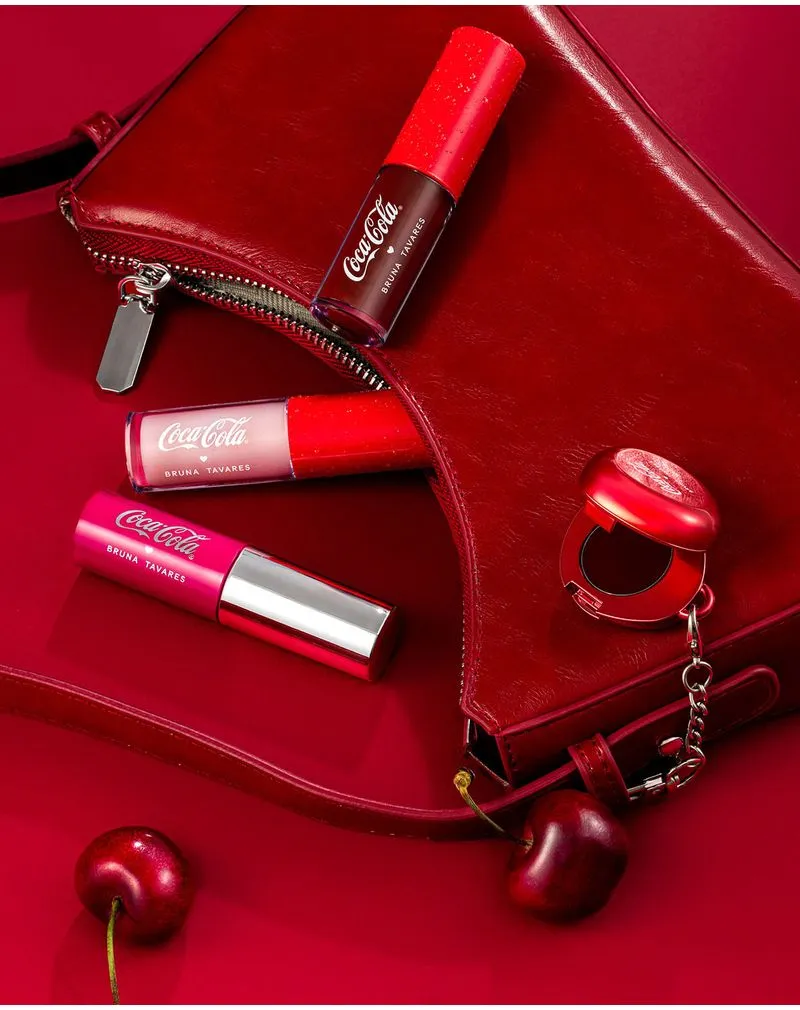
Image Source: Coca-Cola x Bruna campaign.
When Coca-Cola launched its first cosmetic line by partnering with Brazilian makeup artist Bruna Tavares, it was easy to read it as novelty. A surprising crossover. A playful experiment.
But this is not category expansion.
It is about modern brand relevance.
Coca-Cola is not trying to become a beauty company. It is trying to remain culturally visible in a world where relevance is no longer built through mass advertising alone. Beauty offers something soda cannot. Intimacy.
This collaboration invites personal attachment. It extends Coca-Cola’s emotional real estate and moves the brand from the fridge into personal identity, using beauty as the bridge.
Drinks are fleeting. They are consumed and forgotten. Beauty is intimate and repeatable. It lives in routines, on vanities, in handbags, and in mirrors. This shift reframes Coca-Cola from something you consume to something that represents you.
Beauty products stay longer. They are photographed, shared online, and woven into daily rituals. They invite a level of closeness and repetition that beverages rarely can. For a legacy brand like Coca-Cola, this is a way to exist where identity is formed, not just where thirst is quenched.
What looks like a playful collaboration is actually a strategic move toward cultural proximity.
A different logic appears when you look at Tower 28 x Poppi.
This collaboration is pure sensory alignment.
Both brands are built on feel-good consumption. Poppi sells gut health without guilt. Tower 28 sells beauty without irritation. The overlap is wellness, softness, and care. The collaboration feels like a continuation of shared values, not a crossover between categories.
Poppi’s bright, optimistic packaging lives comfortably in Tower 28’s clean, friendly beauty universe. Nothing feels forced. The product looks like it belongs on the same shelf because the brands already speak the same visual and emotional language.
Here, beverage and beauty work together to create rhythm rather than spectacle. Poppi is something you drink. Tower 28 is something you wear. Together, they form a daily flow of care. Not a campaign, but a routine.
Importantly, the collaboration does not shout for attention. It does not rely on shock or irony. It suggests a way of living that feels light, balanced, and easy. That subtlety is precisely why it resonates.
Taken together, these collaborations reveal why soda and beauty are converging now.
Consumers are no longer persuaded by products alone. They are drawn to brands that understand how identity, routine, and feeling intersect. Beauty offers soda brands a way to move from consumption to representation. From momentary to meaningful.
Cross-industry collaborations work when they respond to this shift. Not as gimmicks, but as strategies for staying present, personal, and culturally visible in an experience-driven economy.
This is not about what we drink or what we wear.
It is about how brands earn a place in everyday life.