Why the Most Effective Brand Campaigns Don’t Feel Like Campaigns
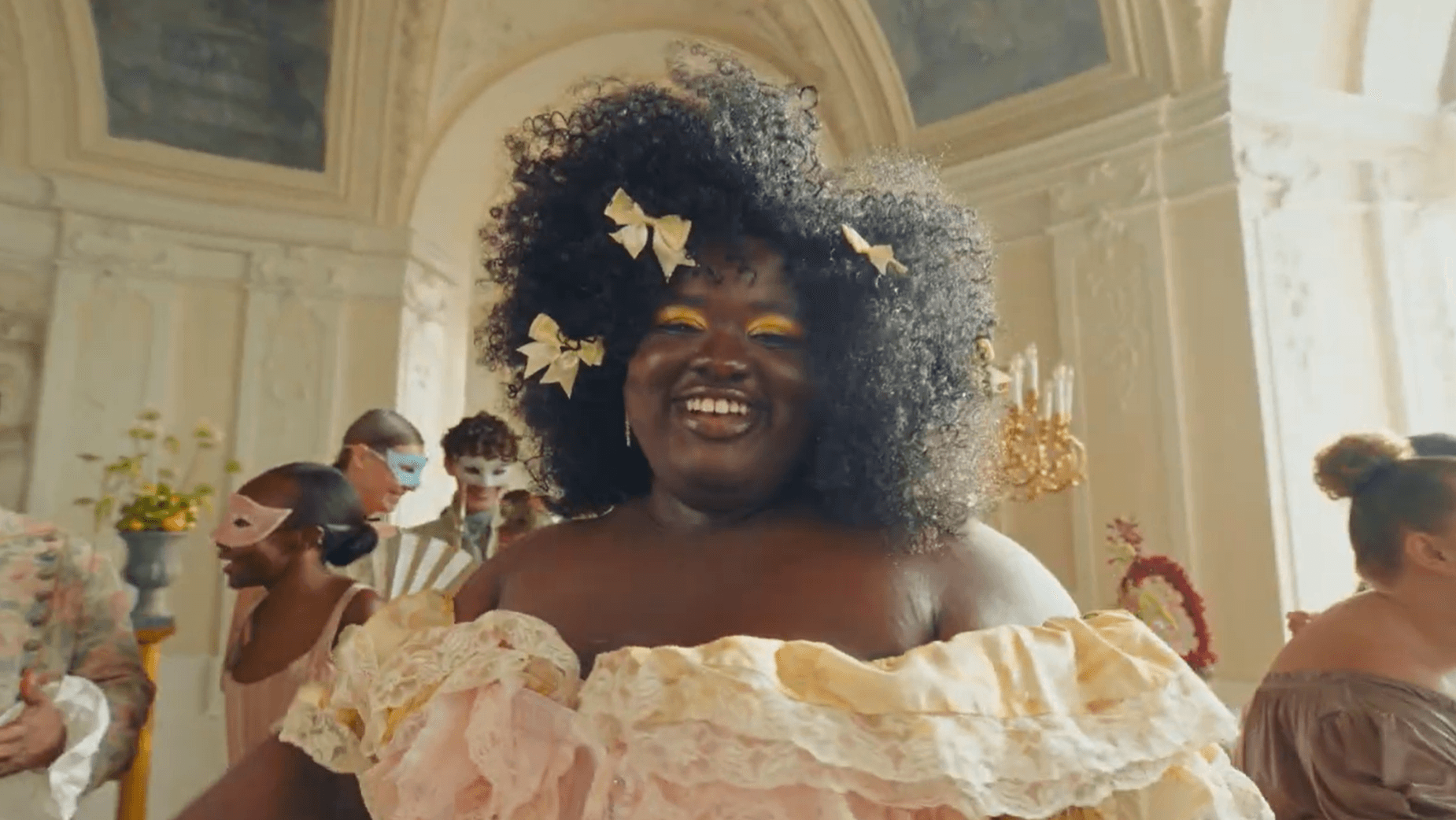
Image: Dove × Bridgerton “Let Them Talk” campaign
Brands are slowly expanding from what they sell to what they stand for.
Instead of leading with products, many are now focused on creating a feeling, a world, a vibe that can be experienced. This is why we are seeing fashion and luxury brands move beyond clothing and accessories into spaces like cafés and cultural environments. When Prada opens a café or Tiffany & Co creates spaces that feel like destinations, it is not a side project. It is brand strategy.
The goal is no longer just to be purchased.
It is to be felt.
All of this points to a larger shift. Brands are trying to become part of culture, not just participants in the market. They want to live inside conversations, routines, and emotional memory.
Marketing as we know it is changing, and cinematic storytelling sits at the center of that shift.
From Advertising Products to Telling Stories
More brands are moving away from traditional ad formats that focus on a single product category. Instead, they are investing in short films and narrative-driven campaigns.
We see this clearly with brands like Chanel, Bulgari, Prada, and Jacquemus. Even brands outside of fashion like United Airlines with its holiday short film Miles Apart, and Uber with In Good Times, are leaning into this format.
These are not traditional ads. They do not rush to explain an offer or highlight features. They slow things down and focus on human experience.
So why are so many brands choosing this direction?
First, storytelling builds emotional connection. People remember how something made them feel far longer than they remember what it claimed to do.
Second, ad fatigue is very real. Consumers are tired of being sold to. Cinematic films feel more like content than advertising, which lowers resistance and invites attention rather than demanding it.
Third, this is a cultural strategy. Stories travel further than products. They get shared, discussed, and referenced. They place brands inside culture instead of outside it.
And finally, it actually converts. When people see real emotions, real situations, and real relationships, they are more likely to see themselves in the brand.
The Need for Storytelling Over Ads
Cinematic brand films remove the pressure of selling.
Instead of pushing a product to the front, they invite the viewer into a mood, a story, or a character’s point of view. The product exists within that world. It is worn, used, and lived in rather than positioned as the reason the story exists.
This is where many brands are finding their edge.
Gucci
Gucci’s Tiger short film is a strong example. Rather than centering the brand overtly, the film unfolds as a surreal and emotionally driven narrative. You are not asked to buy a Gucci earring. You are asked to watch it move through a character’s life.
The character feels human before the product feels desirable.
That order is intentional.
By the time the viewer notices the product, the emotional groundwork has already been laid.
Dove and Bridgerton as Cultural Alignment
The collaboration between Dove and Bridgerton is another strong example of this shift.
Rather than launching a traditional campaign, Dove created a limited-edition, royal-themed collection of deodorants and body washes inspired by Bridgerton. This allowed fans to bring the romantic, luxurious aesthetic of the show into their everyday self-care routines.
More importantly, the collaboration aligned with Dove’s long-standing focus on inclusivity and self-expression. By tapping into a popular, diverse, and culturally relevant series, Dove reached younger audiences in a way that felt natural rather than forced.
This was not about selling deodorant.
It was about participating in a cultural moment.
When Brands Choose Film Over Explanation
Brands like Prada, Chanel, and Saint Laurent have embraced short films that feel closer to arthouse cinema than commercials. The pacing is slower. The narratives are open-ended. Often, nothing is clearly explained.
And that is exactly why they work.
The absence of selling creates space for interpretation. It signals confidence. When a brand does not rush to justify itself, it feels more authoritative.
Why Traditional Ads Struggle Today
Traditional ads often feel transactional. They assume the viewer is ready to be persuaded.
Most people are not.
By borrowing the language of film, brands capture attention through curiosity rather than instruction. Viewers stay because they want to know what happens next, not because they are being promised something.
The emotional range matters here. Suspense, sadness, joy, nostalgia. These stories make people feel something first. The product comes later, almost quietly.
It feels less like being sold a product and more like being offered a very good story.
And in a world saturated with messaging, a good story is often the most persuasive thing a brand can offer.