Branding
Consumer Psychology
Culture
Why Are Beauty Brands Serving Us Food?
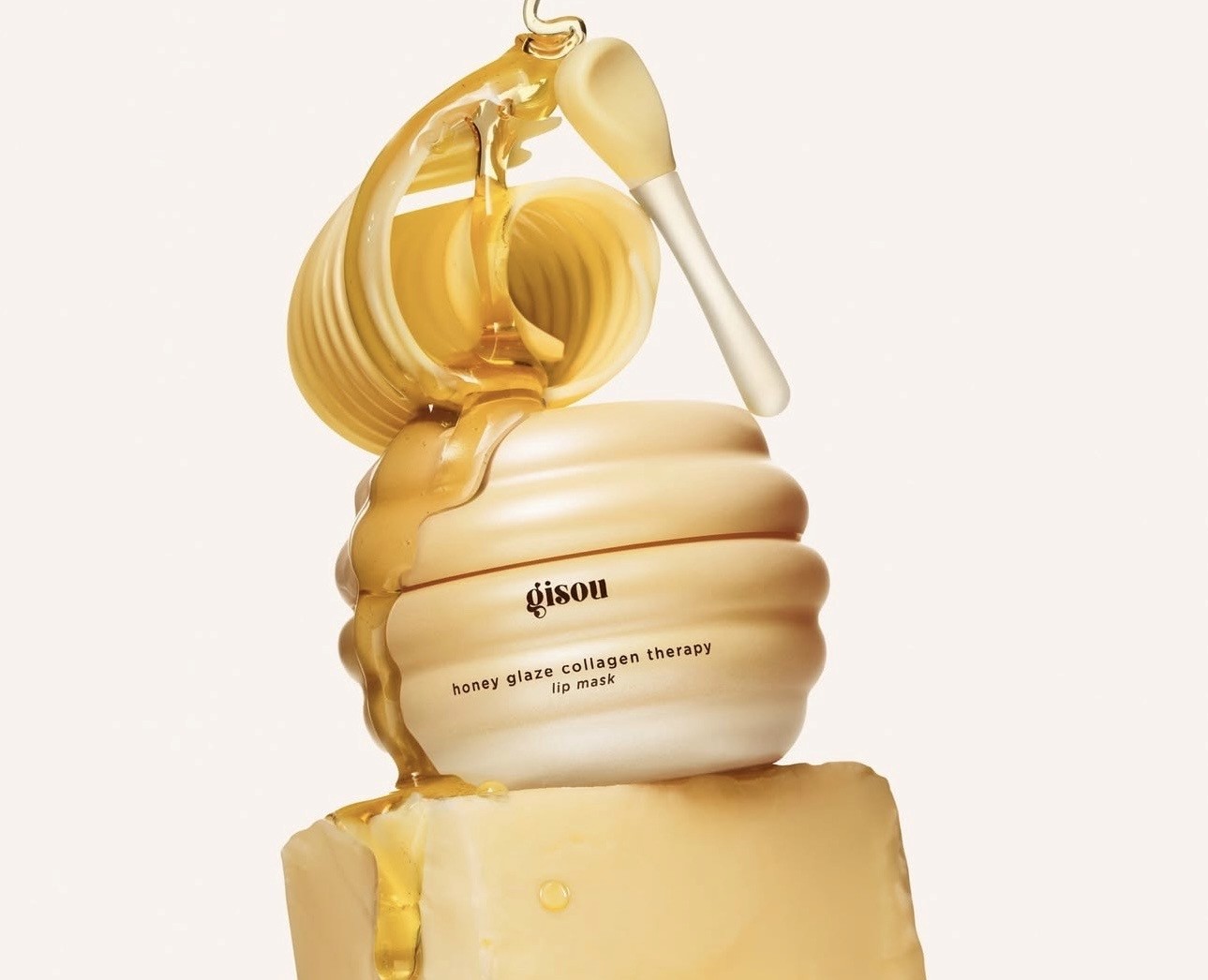
Visual: Gisou.
Beauty is felt before it is evaluated.
Before ingredients lists, clinical claims, or reviews, consumers respond to texture, scent, color, and mood. Sensory cues act as shortcuts in decision-making. If something looks good, feels good, or triggers familiarity, it earns trust faster than logic ever could.
This is why beauty brands are increasingly borrowing from food.
Not to be playful. Not for novelty. But because food is one of the most emotionally loaded sensory categories we have.
Sensory marketing works because it meets people at the level where decisions actually happen.
Sensation comes before explanation
The human brain processes sensory information far more quickly than rational information. Texture, color, and sound are absorbed instantly. Explanations come later, if at all.
Food imagery amplifies this effect. Gloss that looks like syrup. Skincare whipped to resemble frosting. Campaigns that borrow the language of sweetness, richness, or freshness. These cues tell the body how to feel before the mind asks questions.
When beauty brands lean into edible aesthetics, they are not asking consumers to understand a product. They are asking them to feel it.
And feeling is persuasive.
Sensory signals create memory
People rarely remember formulas. They remember experiences.
Food is deeply tied to memory because it engages multiple senses at once. Sight, touch, smell, sound, and often taste. When beauty borrows from food, it taps into that same emotional circuitry.
A product that looks spreadable, juicy, creamy, or refreshing becomes easier to recall. It sticks because it resembles something already familiar and comforting.
This is what makes sensory marketing effective over time. It does not rely on recall of information. It relies on emotional imprint.
It builds intimacy, not just awareness
Food is personal. It exists in everyday routines, habits, and care. It is associated with comfort, nourishment, indulgence, and self-soothing.
When beauty adopts food cues, it moves closer to daily life. It stops feeling like an aspirational object and starts feeling like something lived with.
That closeness matters.
Brands that rely only on aspiration can feel distant. Sensory marketing shortens that distance. It invites touch. It invites repetition. It creates familiarity rather than admiration from afar.
Attachment grows in closeness, not spectacle.
It slows the scroll
In an attention economy, sensory content performs a specific function. It interrupts.
Texture shots, close-ups, slow pours, glossy finishes, and ASMR-like visuals create friction in fast scrolling environments. They invite pause.
That pause is critical. Pause creates curiosity. Curiosity creates desire.
This is why sensory beauty content travels so well online. It does not demand explanation. It asks for attention through feeling alone.
It reframes beauty as lifestyle, not utility
Sensory marketing also does something quieter but more powerful. It tells you who the product is for.
Soft. Playful. Indulgent. Clean. Fresh. Minimal.
Food-coded beauty positions products as lifestyle signals rather than problem solvers. It moves beauty away from correction and toward experience.
Instead of asking, “What does this fix?” consumers ask, “Does this feel like me?”
That shift aligns with how modern consumers relate to brands. Identity now sits at the center of consumption.
Why this matters now
Beauty brands are not serving us food because they are running out of ideas. They are doing it because sensory saturation has changed how people choose.
Consumers are overwhelmed with information but still deeply responsive to feeling. Sensory marketing bridges that gap.
It bypasses rational fatigue and reconnects products to the body. To memory. To comfort. To identity.
In a market where everything claims to work, the brands that endure are the ones that know how to feel.
This is not about aesthetics for aesthetics’ sake.
It is about understanding how desire is formed, how memory is stored, and how attachment is built.
And food remains one of the most powerful sensory languages we have.